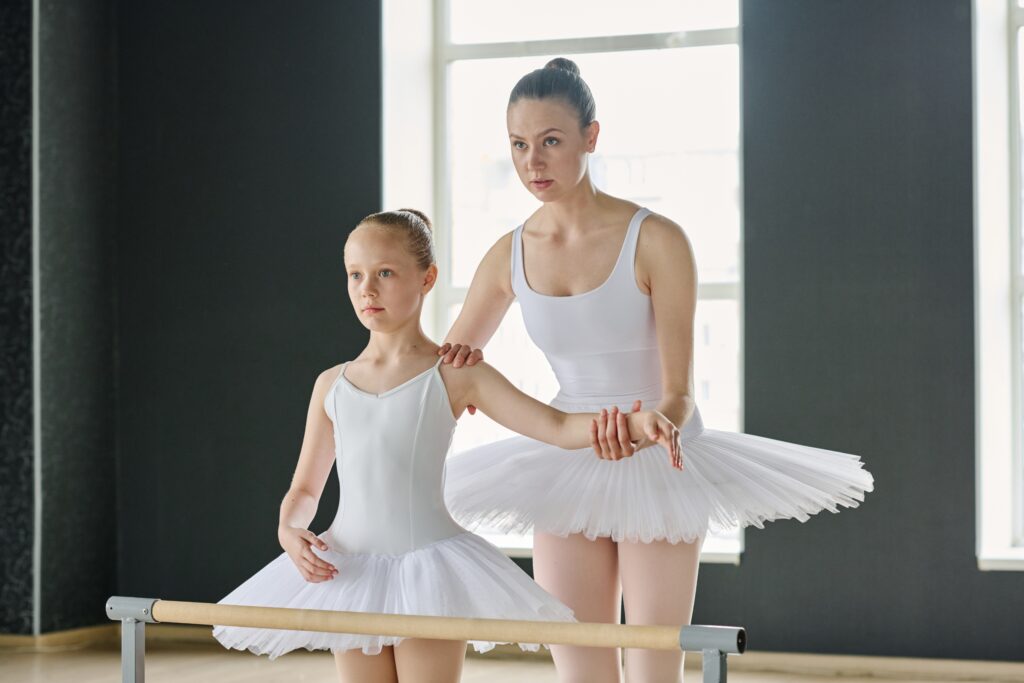
Ballet is often one of the first dance styles children experience. It offers structure, creativity, and physical activity in a calm and supportive setting. For families in Kew, enroling a child in ballet lessons can be a positive step toward building healthy habits, confidence, and strong foundations for movement and learning.
While ballet is known for its graceful appearance, it also teaches children essential life skills. Through regular classes, young dancers learn how to focus, listen, practise, and work toward goals. These lessons go beyond the studio and support children as they grow at school, at home, and in social situations.
Building Confidence from an Early Age
One of the strongest benefits of ballet lessons is the confidence children gain over time. At first, many children feel unsure about new movements or learning steps in front of others. With encouragement and regular practice, they begin to feel proud of what their bodies can do.
Each class gives children a chance to achieve small goals, such as holding a position, remembering a sequence, or moving in time with music. These moments help children believe in themselves and feel more comfortable trying new things. Confidence grows naturally as children see their own progress.
Performances and class demonstrations also support confidence. Standing in front of an audience teaches children how to manage nerves and enjoy sharing what they have learned. Applause and positive feedback remind them that effort matters and that they are capable of success.
Developing Focus and Discipline
Ballet lessons follow a clear structure that helps children learn discipline. Classes begin with warm-ups, continue with guided exercises, and end with routines that bring movements together. This structure teaches children to stay focused and follow instructions step by step.
Children learn that improvement takes time and patience. They begin to understand the value of practise and repetition. These habits support learning in other areas of life, including schoolwork and daily routines.
Discipline in ballet also includes personal responsibility. Children learn to arrive on time, wear the correct clothing, and respect the studio space. These simple routines help build independence and good habits that carry into everyday life.
Supporting Physical Development
Ballet is an excellent way to support a child’s physical development. Regular lessons help improve posture, balance, flexibility, and coordination. Children become more aware of how their bodies move and how to control their movements safely.
As children grow, ballet helps build strength without placing too much pressure on the body. Movements are taught carefully and gradually, allowing young dancers to develop at a steady and healthy pace. This helps reduce the risk of injury and supports long-term physical well-being.
Good posture learned in ballet can also benefit children outside the studio. Standing and sitting with proper alignment supports comfort, breathing, and confidence in daily activities.
Encouraging Emotional Growth
Ballet offers children a safe and positive way to express emotions. Music and movement allow young dancers to explore feelings such as joy, calm, excitement, and focus. This helps children develop emotional awareness and confidence in self-expression.
Learning how to handle feedback is another important part of emotional growth. In ballet, corrections are part of learning. Children discover that feedback is helpful and not something to fear. This teaches resilience and a healthy attitude toward improvement.
Children also learn how to manage frustration when movements feel challenging. Over time, they develop patience and a positive approach to learning, which supports emotional maturity.
Building Social Skills and Friendships
Ballet lessons provide a social environment where children learn to work with others. They practise sharing space, taking turns, and supporting classmates. These experiences help children build strong social skills.
Friendships often grow naturally in dance classes. Children feel a sense of belonging when they are part of a group that shares similar interests. This sense of connection supports confidence and happiness.
Group routines and performances also teach teamwork. Children learn that everyone plays a role and that working together creates a stronger result. These lessons are valuable both in and out of the studio.
Creating a Love for Learning and Creativity
Ballet encourages creativity through movement, music, and imagination. Children are guided to explore how their bodies move and how to connect steps into sequences. This creative thinking supports problem-solving and curiosity.
Learning ballet also helps children develop a love for learning. As they master new skills, they become more confident in their ability to learn and improve. This positive learning experience can support motivation in school and other activities.
Ballet exposes children to music, rhythm, and storytelling through movement. These experiences help broaden their understanding of the arts and encourage creative expression.
Providing a Positive Routine and Balance
Regular ballet lessons offer children a healthy routine. Having a scheduled activity gives structure to the week and helps children learn how to balance responsibilities with enjoyment.
Dance also provides a positive outlet for energy. Physical movement helps children relax, sleep better, and feel more settled emotionally. This balance supports overall well-being and happiness.
Parents often notice that children feel calmer and more focused after ballet class. The combination of movement, music, and structure creates a positive experience that supports both body and mind.
Learning in a Supportive Kew Environment
Enroling your child in ballet lessons in Kew allows them to learn in a local and supportive community. Being close to home helps children feel comfortable and confident in their surroundings.
At Kew School of Dance, we focus on nurturing growth rather than pressure. This creates a safe space where children can enjoy learning and develop at their own pace. A supportive environment helps children feel valued and encouraged throughout their dance journey.
Conclusion
Ballet lessons offer children far more than dance skills. They build confidence, discipline, physical strength, emotional awareness, and social connections. For families in Kew, ballet can be a meaningful activity that supports healthy development and lifelong learning.
Kew School of Dance is proud to provide a welcoming and encouraging space where children can grow through ballet. Our experienced teachers support each child’s progress while keeping classes enjoyable and positive. To learn more about our ballet programs or to enrol your child, contact us at 03 9123 8458 or 0410 311 008. We look forward to welcoming your family to our dance community.