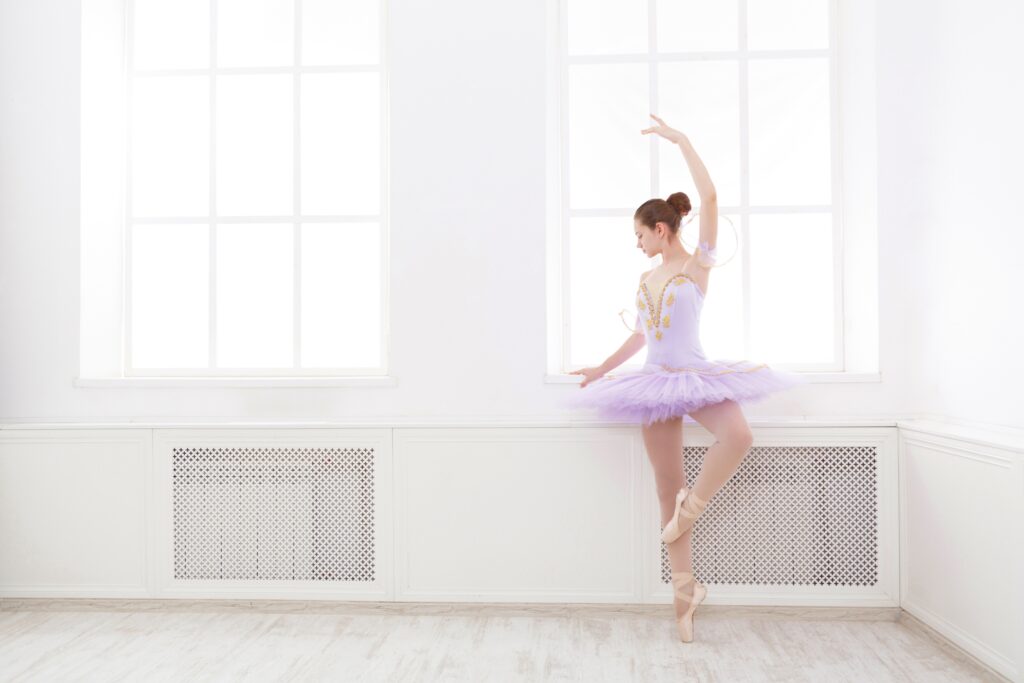
Ballet posture and technique are the foundation of good dance training. When children learn how to hold their bodies correctly and move with control, they develop skills that support every step they perform. Good posture helps dancers move safely, look confident, and feel more balanced in class. Strong technique helps them understand how their bodies work and how to improve over time.
Kew School of Dance’s young dancers are guided step by step to build healthy habits and strong skills. With the right approach, children can improve posture and technique in a way that feels natural and enjoyable.
Understanding the Basics of Ballet Posture
Ballet posture begins with body alignment. Dancers learn to stand tall with their head lifted, shoulders relaxed, and spine straight. The hips, knees, and feet should feel balanced and stable. When posture is correct, movements become smoother and easier to control.
Young dancers often need time to understand how posture feels. It is normal for children to slouch or lean at first. With gentle guidance and regular practice, they begin to recognise when their bodies are aligned. Teachers at our Kew studio explain posture simply so children can understand what good posture looks and feels like.
Developing Core Strength for Better Technique
A strong core helps dancers hold their posture and move with control. The core includes the muscles in the stomach and back that support the spine. When these muscles are active, dancers feel more stable and balanced.
In ballet class, controlled movements such as balances and slow rises help build core strength safely. Teachers encourage dancers to move with care rather than speed, helping them learn how to use their muscles correctly. Practising short and gentle exercises at home can also support core strength. Over time, dancers feel stronger and more confident in their movements.
Improving Balance Through Careful Practice
Balance is an important part of ballet technique. Standing on one foot, holding a position, or turning smoothly all require stability and control. Good posture supports balance, and balance supports better technique.
Young dancers improve balance by practising simple movements slowly. When dancers rush, they often lose control. Slowing down helps them feel how their bodies move and where their weight is placed. At our Kew studio, dancers are encouraged to focus on control and quality rather than speed. This helps them build strong balance and confidence.
Using the Arms and Upper Body Correctly
Ballet technique is not only about the legs and feet. The arms and upper body play a key role in creating graceful movement. When the arms move with control, the whole dance looks more balanced and expressive.
Young dancers sometimes focus only on their feet and forget about their arms. Teachers help them understand how the arms support posture and movement. Simple exercises that combine arm and leg movements help dancers feel how their bodies work together. Practising arm positions in front of a mirror can help dancers become more aware of their posture and improve their overall technique.
Learning from Corrections and Feedback
Listening to feedback is an important part of improving ballet technique. Teachers often give small corrections to help dancers adjust posture or movement. Children who listen and try again develop stronger skills over time.
At our Kew studio, corrections are given in a supportive and positive way. Dancers are reminded that mistakes are part of learning. Each correction is a chance to improve, not something to fear. When dancers practise applying corrections, they gain a better understanding of their bodies and movements.
Creating Good Habits in Class and at Home
Perfecting ballet posture and technique takes time. Small habits can make a big difference. Standing tall, paying attention to instructions, and practising regularly all support improvement.
At home, dancers can practise simple movements in short sessions. Parents can encourage practice in a positive and relaxed way. The goal is steady progress, not pressure. When children feel supported, they are more likely to enjoy learning and continue improving.
The Role of Patience and Consistency in Ballet
Ballet technique develops gradually. Young dancers often want to improve quickly, but real progress happens over time. Patience is an important part of dance training.
Teachers at our Kew studio help dancers understand that every small improvement matters. Regular practice builds strong skills and confidence. When children learn to be patient with themselves, they develop resilience and motivation. Consistency also helps dancers feel secure in their learning and progress.
How Our Kew Studio Supports Young Dancers
At our Kew studio, we focus on building strong foundations in posture and technique. Classes are designed to suit the age and ability of each dancer. Teachers guide students with clear explanations and encouraging feedback.
Every child learns differently. Some dancers progress quickly, while others need more time. Our approach supports each dancer at their own pace, helping them develop skills in a safe and supportive environment. By focusing on posture and technique from the beginning, we help young dancers build habits that support their long-term growth.
Conclusion
Perfecting ballet posture and technique is a gradual process that requires guidance, practice, and patience. With the right support, young dancers can develop strong alignment, balance, and control in a way that feels natural and enjoyable. Good posture and technique not only improve dance performance but also build confidence and body awareness.
Kew School of Dance supports young dancers in developing strong foundations through structured and encouraging ballet training. If you would like to learn more about our classes or enrol your child, contact us at 03 9123 8458 or 0410 311 008. We are happy to support your child’s ballet journey.