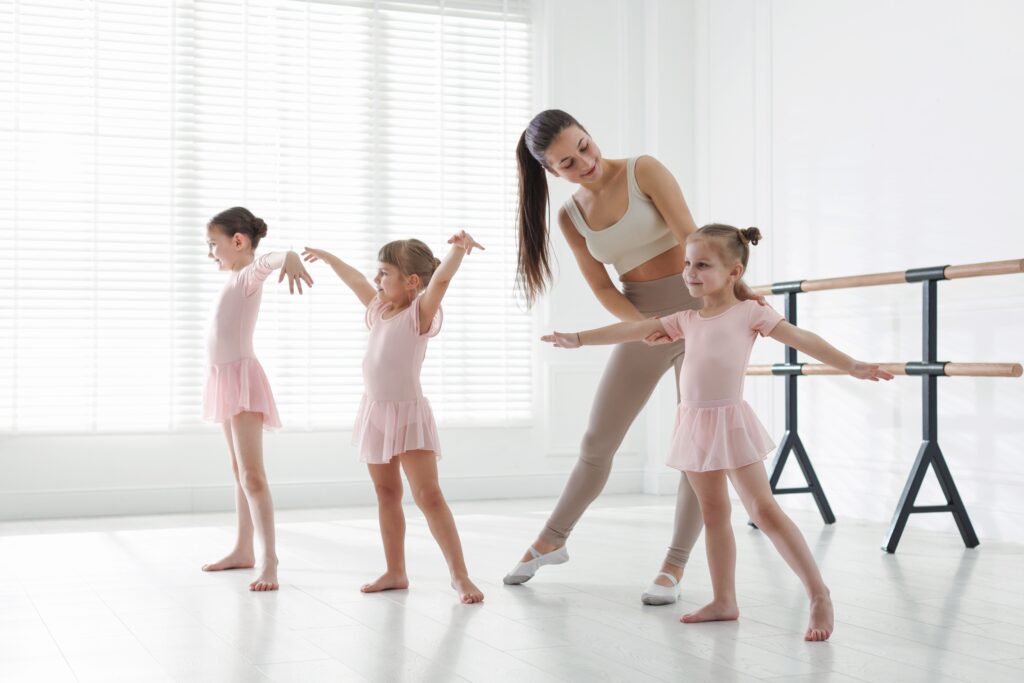
Ballet classes are not only about learning steps and routines. They are also about learning how to behave in a respectful and focused environment. For young dancers, understanding class etiquette helps create a positive space where everyone can learn, improve, and feel comfortable.
For ballet students in Kew, following simple etiquette rules can make a big difference in how they experience their dance classes. These habits help children feel more confident, stay organised, and show respect for their teacher and classmates. Over time, good etiquette becomes part of their routine and supports steady progress in ballet training.
Arriving on Time and Ready for Class
Arriving on time is one of the most important parts of ballet class etiquette. It allows students to settle in, prepare mentally, and take part in the full warm up. Missing the beginning of class can make it harder to follow the rest of the lesson and may increase the risk of strain if the body is not properly warmed up. Being prepared is just as important as being on time. Students should come dressed correctly with their uniform, ballet shoes, and hair neatly secured. This helps the teacher see their posture clearly and ensures the dancer can move safely.
Simple preparation habits include:
- Packing dance items the night before
- Arriving a few minutes early
- Making sure the shoes and uniform are ready
These small steps help children start class with confidence and focus.
Listening Carefully to the Teacher
Listening is a key skill in every ballet class. Teachers give instructions, demonstrate movements, and offer corrections throughout the lesson. Students who listen carefully are able to follow along and improve more quickly.
When the teacher is speaking, it is important for students to stay quiet and attentive. This shows respect and helps everyone understand the exercise clearly. Listening also helps dancers perform movements safely, as they are aware of how each step should be done. Good listening habits also build discipline, which supports learning both in dance and at school.
Respecting Classmates and Personal Space
Ballet classes involve working closely with others, so respect for classmates is very important. Students should be kind, patient, and aware of those around them. This creates a positive and supportive learning environment.
Personal space is also important for safety. Dancers need enough room to move freely without bumping into others. This is especially important during traveling steps or group exercises.
Students can show respect by:
- Waiting for their turn
- Avoiding distractions
- Being supportive of others
These behaviours help the class run smoothly and make the experience enjoyable for everyone.
Practising Focus and Avoiding Distractions
Focus is essential in ballet training. Classes involve learning new movements, remembering sequences, and applying corrections. When students lose focus, they may find it harder to keep up or improve.
Talking during exercises, looking around the room, or playing can distract both the student and others. Staying focused helps dancers get the most out of each class and feel more confident in their progress. Even when a movement feels difficult, maintaining focus helps children develop patience and determination. Over time, this becomes a strong habit that supports learning in many areas of life.
Following Instructions and Trying Your Best
Following instructions shows respect for the teacher and helps students improve their technique. Ballet classes are carefully planned, and each exercise builds on the previous one. When students follow directions, they can learn more effectively.
It is also important for students to try their best, even when they feel unsure. Mistakes are part of learning, and every dancer improves at their own pace. Teachers look for effort and willingness to learn, not perfection. Encouraging children to stay positive and keep trying helps build confidence and resilience.
Taking Care of the Studio Space
The studio is a shared space that should be treated with care. Keeping the space clean and organised helps create a safe and comfortable environment for everyone. Students should avoid running in the studio, touching equipment without permission, or leaving belongings on the floor. Bags and shoes should be placed neatly in designated areas. Respecting the studio helps children understand responsibility and shows appreciation for the space where they learn.
Understanding the Importance of Corrections
Corrections are an important part of ballet training. Teachers give feedback to help dancers improve their posture, alignment, and technique. These corrections are given to support learning, not to point out mistakes.
Students should listen to corrections and try to apply them without feeling discouraged. Learning to accept feedback in a positive way helps dancers grow and improve more quickly. Over time, children begin to understand that corrections are helpful and part of becoming a stronger dancer.
Showing Respect at the End of Class
At the end of each class, students are encouraged to show appreciation to their teacher. This may include saying thank you or performing a small bow or curtsy, depending on the class level. This tradition helps reinforce respect and creates a positive ending to the lesson. It also reminds students to recognise the effort and guidance provided by their teacher. Ending the class calmly and respectfully helps maintain a positive atmosphere in the studio.
Building Good Habits Through Ballet Etiquette
Ballet class etiquette helps children develop habits that support both dance and everyday life. These include being organised, staying focused, listening carefully, and treating others with respect. Over time, these habits become natural. Children begin to feel more confident in their abilities and more comfortable in structured environments. Many parents notice improvements in behaviour, responsibility, and confidence outside of dance as well. These skills are valuable and can support children throughout their growth and learning journey.
Conclusion
Understanding ballet class etiquette helps young dancers create a respectful and positive learning environment. Simple habits such as arriving prepared, listening carefully, and showing respect for others make a big difference in how students experience their classes.
Kew School of Dance guides students not only in technique but also in developing strong habits and positive attitudes. If you would like to learn more about our ballet programs or enrol your child, contact us at 03 9123 8458 or 0410 311 008. We look forward to supporting your child’s dance journey.