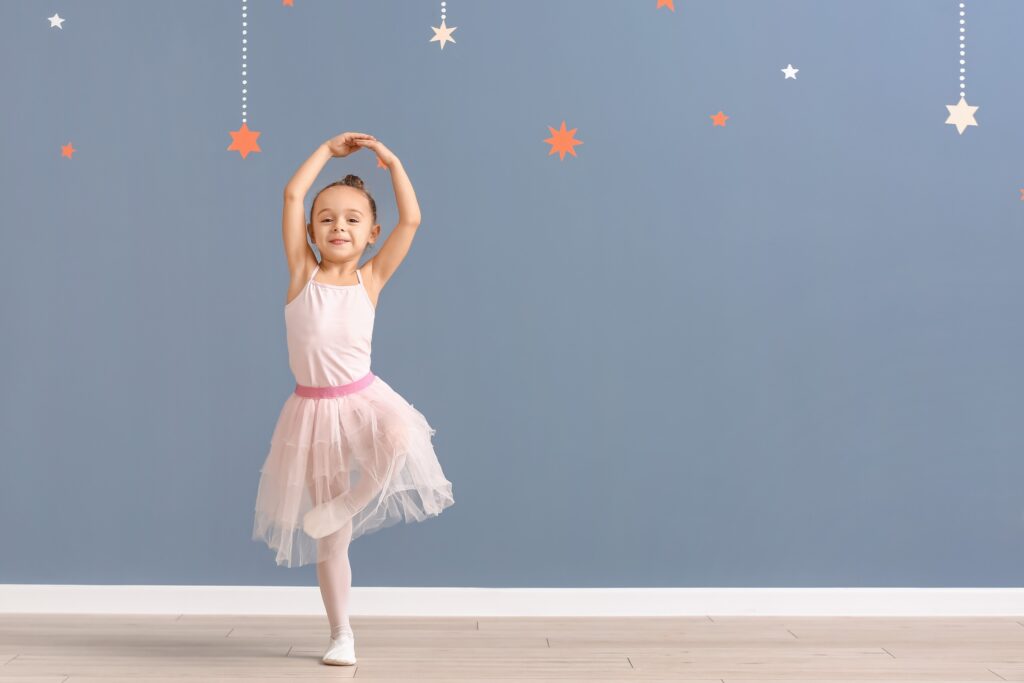
Early childhood is an important stage of growth where children develop physical skills, social awareness, and confidence. During these years, the right activities can help shape how children learn, move, and interact with others. Ballet is one of the most effective ways to support this development in a structured and positive environment.
Many families choose ballet classes in Kew as a starting point for their child’s learning journey. Ballet introduces movement, rhythm, and routine while helping children feel comfortable in a group setting. It is not only about dance but also about building strong foundations that support a child’s overall development.
Building Physical Skills from a Young Age
Ballet helps children develop strength, balance, and coordination through simple and guided movements. At an early age, children are still learning how to control their bodies. Ballet introduces basic movements such as walking on toes, gentle jumps, and controlled arm positions that support physical awareness.
These movements help improve posture and body alignment over time. Children learn how to stand tall, move with control, and become more confident in their physical abilities. This early development supports other activities such as sports and everyday movement.
Supporting Cognitive Development Through Structure
Ballet classes follow a clear structure that helps young children understand routine. Each class includes a warm up, simple exercises, and short sequences. This predictable flow helps children feel secure and understand what to expect.
Learning routines and following instructions also support memory and concentration. Children learn to listen, observe, and repeat movements. These skills are important for school readiness and help children develop focus in a calm and guided way.
Encouraging Social Interaction and Group Learning
For many children, ballet classes are one of their first experiences in a group environment. They learn how to take turns, follow group instructions, and share space with others. These experiences help children develop social skills in a natural and supportive setting.
Being part of a class also helps children feel included. They begin to understand how to work alongside others and build early friendships. This sense of belonging supports emotional wellbeing and confidence.
Developing Confidence and Independence
Ballet classes help children build confidence through small achievements. Learning a new movement or completing a simple routine gives children a sense of accomplishment. Over time, these small successes help children believe in their abilities.
Children also learn independence. Following instructions, participating in class, and trying movements on their own help them become more self-reliant. This confidence often carries into other areas of their life, including school and social situations.
Encouraging Creativity and Imagination
Ballet allows young children to explore creativity through movement and music. Teachers often use simple ideas and imagery to help children understand movements. For example, children may pretend to float, stretch tall, or move like different characters. This approach encourages imagination and helps children connect movement with emotion. Creative expression supports emotional development and helps children feel more comfortable expressing themselves.
Learning Discipline in a Positive Way
Discipline in early childhood should be gentle and supportive. Ballet provides a structured environment where children learn to follow instructions, listen to the teacher, and stay engaged throughout the class. These habits are introduced in a positive way, helping children understand expectations without feeling pressure. Over time, children develop focus and responsibility, which supports learning in other areas.
Improving Coordination and Motor Skills
Ballet helps refine both fine and gross motor skills. Movements such as pointing toes, balancing, and coordinating arms and legs help children improve control and precision. These skills are important for everyday tasks such as writing, running, and playing. Early development of coordination helps children feel more confident in their abilities and supports their overall physical growth.
Creating a Positive Routine for Young Children
Routine is important for young children, and ballet classes provide a consistent weekly activity. Having a regular class helps children feel organised and gives them something to look forward to. This routine also helps children develop time awareness and responsibility. Preparing for class and attending regularly becomes part of their weekly rhythm, supporting a sense of structure and stability.
Supporting Emotional Development
Ballet classes provide a safe space where children can express emotions through movement. Whether they feel excited, shy, or curious, the class environment allows them to explore these feelings in a positive way. Teachers provide encouragement and support, helping children feel comfortable and valued. This supportive environment helps children build emotional confidence and develop a positive attitude toward learning.
Conclusion
Ballet plays an important role in early childhood development by supporting physical, cognitive, social, and emotional growth. It provides young children with a structured yet creative environment where they can build confidence, coordination, and important life skills. Kew School of Dance understands the importance of early development and provides ballet classes that are designed to support young learners in a safe and encouraging environment. If you would like to learn more about our classes or enrol your child, contact us at 03 9123 8458 or 0410 311 008. We look forward to supporting your child’s growth through ballet.