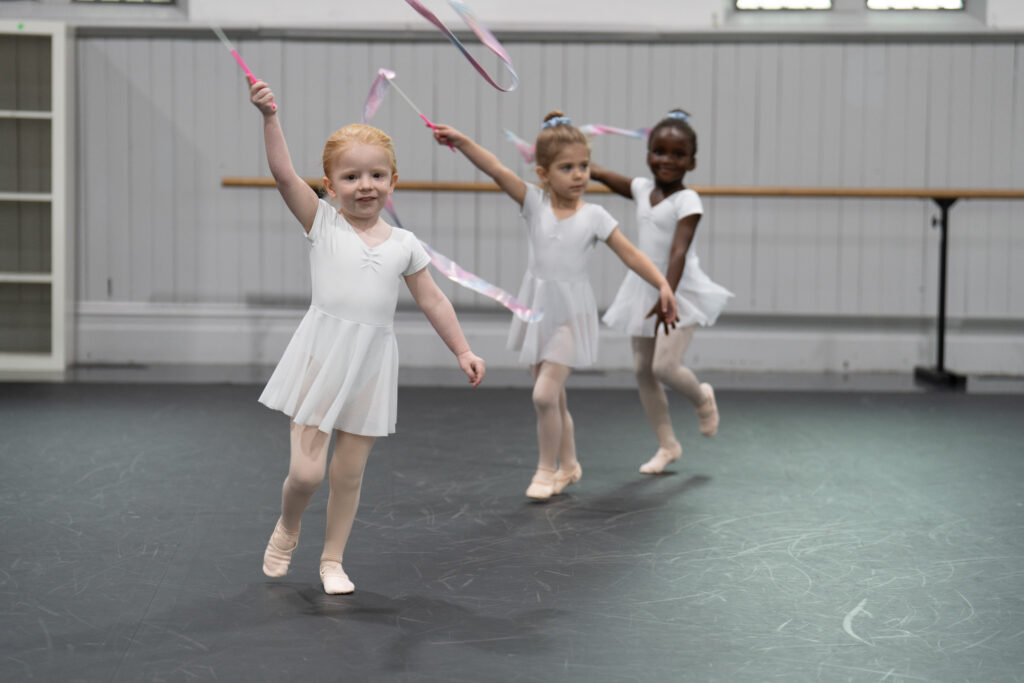
Starting a dance class can be exciting for children, but it can also feel overwhelming for those who are naturally shy or cautious in new environments. Walking into an unfamiliar studio, meeting a new teacher, and joining a group of children they do not know can take some time to get used to.
Some children may join in immediately, while others prefer to watch and understand what is happening before participating. Both responses are completely normal. A shy child may simply need more time, encouragement, and familiarity before they feel comfortable enough to take part. Parents can play an important role in making the transition easier. By preparing children before their first lesson, keeping expectations realistic, and allowing confidence to develop gradually, parents can help make dance classes a positive experience.
Understand That Every Child Adjusts Differently
Children have different personalities and respond to new situations in their own way. One child might happily walk into a dance studio without looking back, while another may want to stay close to their parent or observe the class before participating. Shyness does not necessarily mean that a child dislikes dancing. They may be interested in the class but unsure about the unfamiliar surroundings or people.
Some children become comfortable after the first lesson. Others may need several classes before they begin participating confidently. Giving children enough time to adjust can help reduce pressure. Rather than expecting immediate participation, parents can focus on small signs of progress. Walking into the studio more easily, responding to the teacher, or joining one activity can all be positive steps.
Talk About Dance Class Before the First Lesson
Children can sometimes feel nervous because they do not know what to expect. Talking about the class beforehand can make the experience feel more familiar. Explain in simple terms what will happen when they arrive. You might tell your child that they will meet their dance teacher, see other children, listen to music, and learn some new movements. Try to keep the conversation positive without creating unrealistic expectations.
Parents can also talk about practical details such as:
- What clothes and shoes they will wear
- How long the lesson will last
- Where you will be while they are dancing
- What the dance studio might look like
- What kinds of activities they may try
- What will happen when the lesson finishes
Knowing what to expect can make a new environment feel less intimidating.
Arrive Early and Allow Time to Settle In
Rushing into a new environment can make an already nervous child feel more unsettled. When possible, arrive a little early for the first few classes. This gives your child time to become familiar with the surroundings before the lesson begins. They can see the studio, get ready without feeling rushed, and watch other students arriving. A few quiet minutes before class can be particularly helpful for children who need time to adjust to unfamiliar places.
Arriving early can also give your child an opportunity to meet their teacher before the studio becomes busy. A simple greeting can make the teacher feel more familiar when the class begins. Over time, the routine of arriving, getting ready, and entering the studio can become predictable, which may help your child feel more secure.
Let the Dance Teacher Know Your Child Is Shy
Dance teachers work with children who have many different personalities and confidence levels. Letting the teacher know that your child is shy or nervous can help them understand how best to approach them. A teacher may choose to give a shy child a little more time before asking them to demonstrate a movement or participate independently. They can also provide gentle encouragement without drawing unnecessary attention to the child. It is helpful to keep this conversation simple. Children may become more self-conscious if they repeatedly hear adults describing them as shy in front of other people.
Instead, you might privately explain to the teacher that your child takes some time to become comfortable in new environments. This gives the teacher useful information while allowing your child to settle in naturally.
Avoid Putting Too Much Pressure on Participation
Parents naturally want their children to enjoy their activities and participate fully. However, repeatedly telling a nervous child to join in can sometimes make them feel more anxious. For some children, observing is an important part of becoming comfortable. A child who watches during their first lesson may still be learning. They are seeing how the class works, listening to the teacher, observing the other students, and becoming familiar with the environment.
Instead of focusing on how much they participated, recognise the effort involved in attending the class. Simple comments such as telling them you enjoyed watching them try a movement or that you noticed them listening carefully can help reinforce positive experiences without creating pressure.
Create a Consistent Dance Class Routine
Routine can be reassuring for children who feel nervous in unfamiliar situations. Try to keep the preparation for dance class consistent each week. This could include getting dressed at a similar time, packing the same dance bag, travelling the same way, and arriving a few minutes before class. When children know what is going to happen next, the experience can feel more manageable.
You could create a simple routine such as:
- Get changed into dance clothes
- Pack shoes and a water bottle
- Travel to the studio
- Arrive and get ready
- Say hello to the teacher
- Attend the lesson
- Meet again after class
After several weeks, these steps become familiar. The dance studio may gradually change from an unfamiliar environment into a place your child recognises and feels comfortable visiting.
Encourage Small Steps and Celebrate Progress
Confidence often develops through small achievements rather than one big change. For a very shy child, entering the studio without a parent may initially be an achievement. Later, joining a warm-up exercise could be another step. Eventually, they may participate throughout the lesson or confidently perform a movement in front of their classmates. Recognising these small improvements can encourage children to keep trying.
Try to focus praise on effort rather than performance. Instead of telling your child that they were the best dancer, you might acknowledge that they tried something new or kept practising a movement that was difficult. This helps children understand that progress comes from participation and practice.
Give Your Child Time to Build a Relationship With Their Teacher
A positive relationship with the dance teacher can make a significant difference to a child’s comfort in class. Young children often feel more confident when they know and trust the adult leading the activity. This relationship usually develops naturally through regular lessons. As children become familiar with their teacher’s voice, instructions, and class routine, they may begin to feel more comfortable asking questions and participating.
Parents can support this process by speaking positively about the teacher and encouraging their child to listen to instructions during class. It is also helpful to allow the teacher and child to develop their own relationship rather than stepping in whenever the child feels uncertain. Gradually learning to communicate with another trusted adult can support independence as well as confidence.
Help Your Child Connect With Other Students
Sometimes children are not nervous about dancing itself but about being around unfamiliar children. Making even one friend in class can make the experience feel much more comfortable. If your child mentions another student, encourage positive conversation about them. Simply recognising familiar faces each week can help create a sense of belonging. Group activities in dance classes can also support social development. Children may practise movements together, take turns, follow one another across the studio, or work as part of a group.
These shared experiences allow friendships to develop naturally without requiring children to immediately start conversations. Over time, the dance class can become a familiar social environment where children feel increasingly comfortable being themselves.
Practise Simple Movements at Home
Some shy children feel more comfortable participating when they already recognise a few movements. You do not need to turn home practice into a formal lesson. Instead, encourage your child to show you something they learned in class or put on some music and let them practise for fun. This can help children become familiar with movements without feeling watched by a group.
Home practice can also create positive conversations about dance. Asking your child to teach you a step can give them an opportunity to feel knowledgeable and confident. Keep these activities relaxed and optional. The aim is to make dance enjoyable rather than adding extra pressure.
Avoid Comparing Your Child With Other Dancers
It can be tempting to compare a shy child with classmates who appear more confident. However, children develop confidence at different rates. Another student may have been attending dance classes for several years, already know the teacher, or simply have a more outgoing personality. Comparisons can make children feel that they are doing something wrong because they need more time to adjust.
Instead, focus on your child’s individual progress. If they were nervous about entering the studio last month but now walk in comfortably, that is meaningful improvement. If they previously watched most of the lesson but are now participating, that is another positive step. Their progress should be measured against where they started rather than what other children are doing.
Keep Goodbyes Calm and Positive
For younger children, separating from a parent may be one of the most difficult parts of attending dance class. A long or emotional goodbye can sometimes make separation harder. When it is time for your child to enter the class, try to keep your goodbye warm, calm, and predictable. Let them know when you will see them again and show confidence in their ability to participate.
Children often look to parents for clues about whether an environment is safe and comfortable. If you appear relaxed and positive about the dance class, it may help your child feel more secure. With consistency, saying goodbye before class can become another familiar part of the weekly routine.
Remember That Confidence Takes Time
A shy child may not become confident after one or two lessons, and there is no need to rush the process. Regular attendance gives children time to become familiar with the studio, teacher, classmates, music, and class structure. As fewer parts of the experience feel unfamiliar, they can focus more on enjoying the dancing itself. Parents may notice gradual changes. A child might begin talking more about their lesson at home, remembering classmates’ names, showing family members new movements, or looking forward to the next class.
These are all signs that they are becoming more comfortable. The aim is not necessarily to change a child’s personality. A naturally quiet child can still become a confident and enthusiastic dancer. What matters is helping them feel secure enough to participate and enjoy the experience in their own way.
Conclusion
Starting dance classes can feel like a big step for a shy child, particularly when everything about the experience is new. With patience, consistency, and gentle encouragement, children can gradually become familiar with the environment and develop confidence at their own pace. Preparing your child before class, establishing a regular routine, recognising small achievements, avoiding comparisons, and building trust with their teacher can all help create a more comfortable experience.
Kew School of Dance, our classes provide a supportive environment where children can learn, move, build confidence, and enjoy dance at a pace suited to their age and experience. If you would like to learn more about our classes or find the right class for your child, contact us at 03 9123 8458 or 0410 311 008.