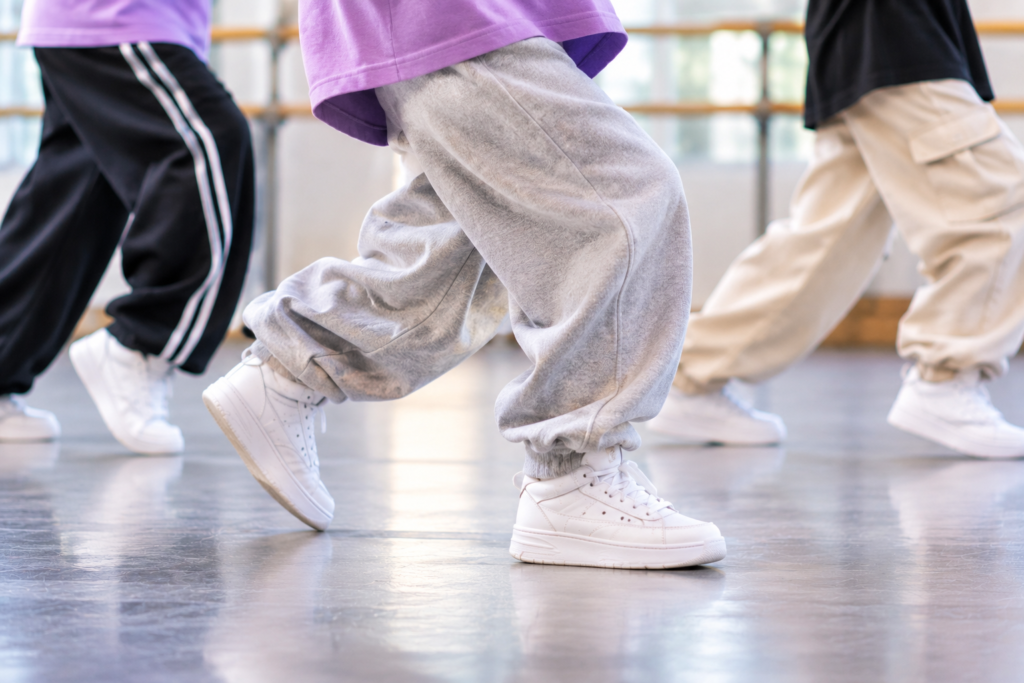
Starting hip hop dance classes can be an exciting experience for children who enjoy music, movement, and learning something new. With its energetic style, rhythmic footwork, and creative choreography, hip hop gives kids an opportunity to stay active while developing their dance skills.
For beginners, however, attending the first class can also feel a little unfamiliar. Children may wonder whether they need previous dance experience, what movements they will learn, or whether they will be able to keep up with the other students.
The good news is that beginner hip hop classes are designed to introduce children to the fundamentals gradually. Students can learn basic movements, practise simple combinations, and become familiar with the music and class environment at a pace suited to their age and experience.
Understanding what happens during the first few lessons can help parents prepare their children and make the experience more enjoyable.
What Is Hip Hop Dance for Beginners?
Hip hop dance is a style of movement influenced by hip hop music and culture. It includes rhythmic footwork, body isolations, changes in direction, and expressive movements that allow dancers to respond to music in different ways.
Beginner hip hop classes focus on introducing the foundations rather than expecting students to perform complicated routines immediately.
Children learn how to move to a beat, coordinate their arms and legs, follow simple instructions, and remember short movement sequences.
Teachers generally introduce each movement separately before combining several steps into a routine.
A beginner class may include:
- Basic hip hop steps and footwork
- Simple rhythm and timing exercises
- Arm and upper-body movements
- Body isolations
- Coordination activities
- Short dance combinations
- Group choreography
The goal is to help children become comfortable with the style while developing the skills needed for more advanced movements later.
What Happens During the First Hip Hop Dance Class?
The first hip hop lesson usually begins with an introduction to the teacher, studio, and class routine.
Students may spend a few minutes becoming familiar with the space and meeting other children before the lesson begins.
The teacher will generally start with a warm-up to prepare the body for movement. This may include light jogging, stepping, stretching, and simple movements performed to music.
After the warm-up, students are introduced to basic hip hop movements.
The teacher may demonstrate a step, explain how it works, and allow children to practise it several times.
Once students become comfortable with individual movements, they may begin learning a short combination.
The class may finish with a review of the movements or a cool-down activity.
Beginners are not expected to remember everything immediately. The first few lessons are mainly about becoming familiar with the style, understanding instructions, and enjoying the experience.
Learning Basic Hip Hop Steps
One of the first things children learn in hip hop classes is how to perform simple movements while following a rhythm.
Teachers may introduce basic steps that involve shifting weight, stepping from side to side, bending the knees, or moving the arms in coordination with the feet.
These movements help children understand how hip hop uses rhythm and body control.
Some beginner exercises may involve:
- Stepping from side to side
- Bouncing gently to the music
- Moving forwards and backwards
- Practising simple footwork patterns
- Coordinating arm movements with steps
- Changing direction on a musical count
- Combining two or three movements
At first, children may need to concentrate carefully on each step.
With repetition, movements gradually become more familiar, allowing students to focus on timing, expression, and coordination.
Understanding Rhythm and Musicality
Music is an important part of hip hop dance, and beginners spend time learning how to recognise and follow a beat.
Teachers may ask students to clap, step, or move in time with the music.
These activities help children understand rhythm before they begin learning more detailed choreography.
Students may also practise counting movements in groups of four or eight, which is commonly used when teaching dance combinations.
For example, a teacher might ask children to step to one side for two counts, move their arms for another two counts, and complete a turn during the remaining counts.
This helps children connect movement with musical timing.
As students gain experience, they may begin recognising changes in tempo, pauses, and different musical accents.
Developing musicality allows children to move with greater confidence and understand how choreography connects with the music.
Developing Coordination and Body Control
Hip hop dance requires children to use different parts of their bodies at the same time.
A student may need to move their feet in one pattern while their arms perform a separate movement. They may also need to change direction while staying in time with the music.
For beginners, this can feel challenging.
Teachers usually break movements into smaller sections so children can practise each part before combining them.
Hip hop also introduces body isolations, which involve moving one part of the body while keeping other areas relatively still.
For example, students may practise moving their shoulders, chest, or hips independently.
These exercises help children develop body awareness and improve their ability to control different movements.
Over time, regular practice can support better coordination, balance, and overall movement confidence.
Learning Simple Dance Combinations
Once children become familiar with a few basic movements, teachers may introduce short dance combinations.
A combination is a sequence of steps performed in a particular order.
For beginners, these routines are usually kept simple so students can concentrate on remembering the movements and following the music.
Teachers may demonstrate the full sequence before breaking it into smaller sections.
Students then practise each section several times before putting the movements together.
Learning choreography helps children develop:
- Movement memory
- Coordination
- Rhythm and timing
- Concentration
- Spatial awareness
- Confidence in following instructions
Children may initially forget a step or move in the wrong direction. This is a normal part of learning.
With regular practice, they gradually become more comfortable remembering longer combinations.
What Should Kids Wear to Hip Hop Dance Classes?
Comfortable clothing is important for hip hop dance because students need to move freely.
Unlike ballet, which often has specific uniform requirements, hip hop classes generally allow more relaxed dancewear.
Children may wear comfortable clothing that allows them to bend, stretch, jump, and move without restriction.
Suitable clothing may include:
- Comfortable T-shirts
- Leggings or track pants
- Loose-fitting dance pants
- Supportive sneakers
- Clothing suitable for active movement
Shoes should provide appropriate support and allow students to move safely on the studio floor.
Parents should check the dance school’s footwear and clothing requirements before attending the first class.
It is also helpful to bring a water bottle so children can stay hydrated during the lesson.
Do Children Need Previous Dance Experience?
Children generally do not need previous dance experience to begin a beginner hip hop class.
These classes are designed to introduce foundational movements and help students become familiar with the style.
Some children may already have experience in ballet, jazz, or another dance style, while others may be attending their very first dance lesson.
Both can benefit from beginner instruction.
Teachers can introduce movements gradually and provide guidance according to the students’ abilities.
Children who are completely new to dance may need additional time to understand rhythm, coordination, and movement patterns.
This is normal, and progress should not be measured by how quickly they learn compared with other students.
The most important thing is that children feel comfortable participating and are willing to keep practising.
Helping Shy Children Feel Comfortable in Class
Some children may feel nervous about joining a new group, particularly if they do not know anyone in the class.
They may prefer to observe before participating or feel uncertain about performing movements in front of others.
Parents can help by talking positively about the class beforehand and explaining what their child can expect.
Arriving a little early may also give children time to become familiar with the studio and meet their teacher.
It is helpful to avoid putting too much pressure on immediate participation.
A child who watches carefully during their first lesson may still be learning how the class works.
As the environment becomes more familiar, they may gradually feel more comfortable joining activities.
Teachers can also provide encouragement and help children build confidence through simple, achievable movements.
Building Confidence Through Small Achievements
One of the benefits of beginner hip hop classes is that children can see their progress as they learn new movements.
A step that initially feels difficult may become easier after several attempts.
Students may also feel proud when they remember a short combination or perform a movement in time with the music.
These achievements help children recognise that learning takes practice.
Teachers can support this process by encouraging effort and recognising improvement rather than expecting perfect technique.
As children become more familiar with hip hop, they may feel more comfortable participating in group choreography and trying new movements.
This growing confidence can make dance classes more enjoyable and encourage students to continue learning.
Making Friends and Learning to Dance With Others
Hip hop classes provide opportunities for children to meet other students who enjoy music and dance.
During lessons, children may practise movements together, follow group choreography, and take turns performing different exercises.
These activities encourage cooperation and awareness of others.
Students learn to maintain appropriate spacing, follow the same rhythm, and move together as part of a group.
For children who are new to the class, seeing familiar faces each week can help create a sense of belonging.
Friendships may develop naturally as students share the experience of learning new movements and practising routines.
This social aspect can become an enjoyable part of attending regular dance classes.
How Parents Can Prepare Their Child for the First Class
Parents can help make the first hip hop class a positive experience by preparing a few simple things beforehand.
Talking about the lesson can help children understand what to expect and reduce uncertainty.
It is also helpful to make sure they have suitable clothing, footwear, and a water bottle.
Before the first class, parents can:
- Explain what will happen during the lesson
- Encourage their child to try new movements
- Arrive early to allow time to settle in
- Check the studio’s clothing requirements
- Remind their child that mistakes are normal
- Avoid comparing their progress with others
- Encourage regular attendance
After class, ask your child what they enjoyed rather than focusing only on how well they performed.
This helps reinforce the idea that dance is an enjoyable learning experience rather than a test of ability.
Why Regular Classes Help Beginners Improve
Learning hip hop takes time, particularly for children who are new to dance.
During the first few lessons, students may still be developing their understanding of rhythm, movement patterns, and choreography.
Regular attendance gives children repeated opportunities to practise these skills.
Teachers can revisit familiar steps while gradually introducing new movements and more detailed combinations.
As students become comfortable with the basics, they may begin learning longer routines and more challenging footwork.
Consistency also helps children become familiar with the class structure and expectations.
Over time, they may notice improvements in coordination, musicality, movement memory, physical fitness, and confidence.
The goal is not for every child to become an advanced dancer immediately. Beginner classes provide a foundation that allows children to enjoy learning while progressing at their own pace.
Conclusion
Starting hip hop dance classes can be an enjoyable experience for children who love music and movement. Beginner lessons introduce basic steps, rhythm, coordination, and simple choreography while helping students become comfortable in a new learning environment.
Children do not need previous dance experience to get started. With regular practice, supportive instruction, and encouragement, they can gradually develop their skills and confidence.
Kew School of Dance, our classes provide children with a supportive environment where they can learn hip hop movements, develop coordination, build confidence, and enjoy dancing with others. If you would like to learn more about our hip hop classes or find the right class for your child, contact us at 03 9123 8458 or 0410 311 008.