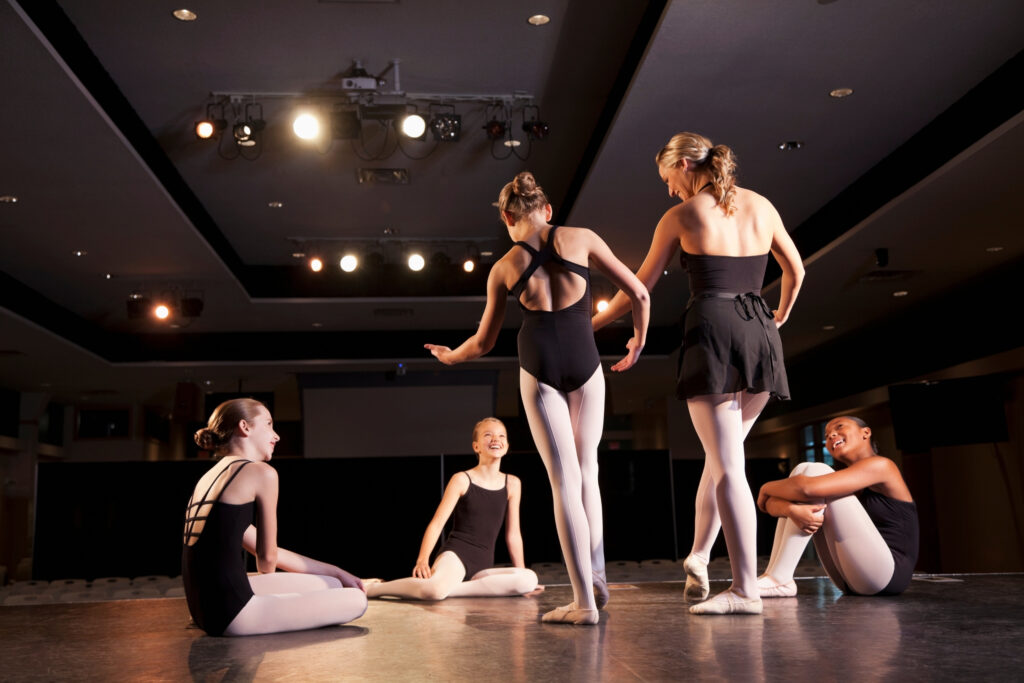
For many children, stepping onto a stage for the first time can feel both exciting and nerve-racking. Performing in front of an audience is a new experience that often brings a mix of emotions. While some children are naturally confident, others may need time and encouragement before they feel comfortable performing. Ballet classes provide a supportive environment where children can gradually build this confidence through regular practice and positive experiences.
At Kew School of Dance, performing is viewed as an important part of every student’s learning journey. Rather than expecting perfection, we focus on helping students feel prepared, capable, and proud of their progress. As children develop their ballet skills, they also develop confidence that extends well beyond the stage.
Learning to Feel Comfortable Performing in Front of Others
Many children feel nervous when they know people will be watching them. This is completely normal, especially during their first few performances. Ballet classes help children become familiar with performing by gradually introducing them to opportunities where they can dance in front of teachers, classmates, and eventually family and friends.
Confidence grows through repeated positive experiences. Each time a child performs, they become more comfortable standing in front of others and expressing themselves through movement. Teachers encourage students throughout the process, helping them understand that every performance is an opportunity to learn rather than something to fear.
Children gradually become more confident by:
- Participating in class demonstrations
- Performing in group routines
- Practising in front of classmates
- Taking part in concerts and recitals
These experiences help reduce nervousness and make performing feel more natural over time.
Building Confidence Through Preparation
Feeling prepared is one of the biggest reasons children become confident on stage. Ballet classes provide regular opportunities to practise routines until students become familiar with every movement.
Teachers break choreography into smaller sections so dancers can learn step by step. As students repeat combinations over several weeks, they develop confidence in remembering their routines and understanding where they need to be on stage.
Preparation also helps reduce anxiety. Children who know their routines well are more likely to enjoy the performance instead of worrying about forgetting their steps.
Parents can also support preparation by encouraging regular attendance and providing a calm, positive environment before performances.
Developing Trust in Their Own Abilities
One of the greatest benefits of ballet is helping children believe in themselves. As they learn new movements, improve their balance, and complete routines, they begin to recognise their own progress.
Teachers celebrate effort as much as achievement. Small improvements are acknowledged, helping students understand that confidence comes from learning and practising rather than being perfect.
Over time, children begin to trust that they can overcome challenges. This self-belief becomes valuable not only during performances but also in school, sport, and everyday situations.
Performing as Part of a Team
Although individual progress is important, ballet performances often involve working closely with other dancers. Children learn that they are part of a group where everyone contributes to the performance.
Group performances help reduce pressure because students know they are not performing alone. They learn to support one another, encourage classmates, and celebrate shared achievements.
Working together teaches valuable life skills such as:
- Cooperation
- Responsibility
- Respect for others
- Teamwork
- Encouragement
These experiences create a positive atmosphere where children feel supported throughout their dance journey.
Learning to Manage Stage Nerves
Even experienced dancers sometimes feel nervous before performing. Ballet classes help children understand that nervous feelings are completely normal and can be managed with preparation and practice.
Teachers help students stay calm by creating familiar routines before performances. Gentle warm ups, breathing exercises, and encouraging conversations all help children feel relaxed before going on stage.
As children perform more often, they learn that nervousness usually disappears once the music begins. This experience teaches them valuable coping skills they can use in many situations throughout life.
Building Communication Through Performance
Ballet is more than learning steps. It also teaches children how to communicate through movement and expression. Facial expressions, posture, and body language all help tell a story during a performance.
As students become more confident expressing emotions through dance, they often become more confident expressing themselves in everyday life. They learn to communicate clearly without relying only on words.
This increased confidence can support school presentations, social situations, and other activities where children need to express themselves confidently.
Celebrating Progress Instead of Perfection
One of the most valuable lessons ballet teaches is that improvement matters more than perfection. Every dancer develops at a different pace, and every performance is an opportunity to grow.
Teachers encourage students to focus on their own progress rather than comparing themselves with others. This helps create a positive learning environment where children feel comfortable trying new things.
Parents can support this mindset by celebrating effort, commitment, and improvement after performances instead of focusing only on mistakes.
This positive approach helps children enjoy dancing while building lasting confidence.
Confidence That Extends Beyond the Stage
The confidence children gain through ballet often extends into many areas of their lives. Students who become comfortable performing in front of an audience often feel more confident participating in school activities, speaking in class, and meeting new people.
Ballet also teaches resilience. Children learn that every rehearsal, correction, and performance helps them improve. They begin to understand that confidence grows through practice and experience rather than instant success.
Many parents notice positive changes in their children after joining ballet classes, including greater independence, stronger communication skills, and a willingness to take on new challenges.
The Supportive Environment at Kew School of Dance
At Kew School of Dance, we believe every child deserves to feel confident both on and off the stage. Our teachers create a welcoming and encouraging environment where students feel supported throughout every stage of their learning.
Children are guided patiently, celebrated for their progress, and encouraged to enjoy performing rather than fear it. This positive approach helps students build confidence naturally while developing strong ballet foundations.
Whether preparing for a first recital or performing in larger productions, every student receives the encouragement they need to feel proud of their achievements.
Conclusion
Building confidence on stage is a journey that begins with regular practice, supportive teachers, and positive performance experiences. Ballet classes help children develop self-belief, communication skills, resilience, and the confidence to perform in front of others while enjoying every step of the learning process.
Kew School of Dance is committed to helping every student grow into a confident performer in a caring and encouraging environment. If you would like to learn more about our ballet classes or enrol your child, contact us at 03 9123 8458 or 0410 311 008. We look forward to helping your child shine both on stage and beyond.