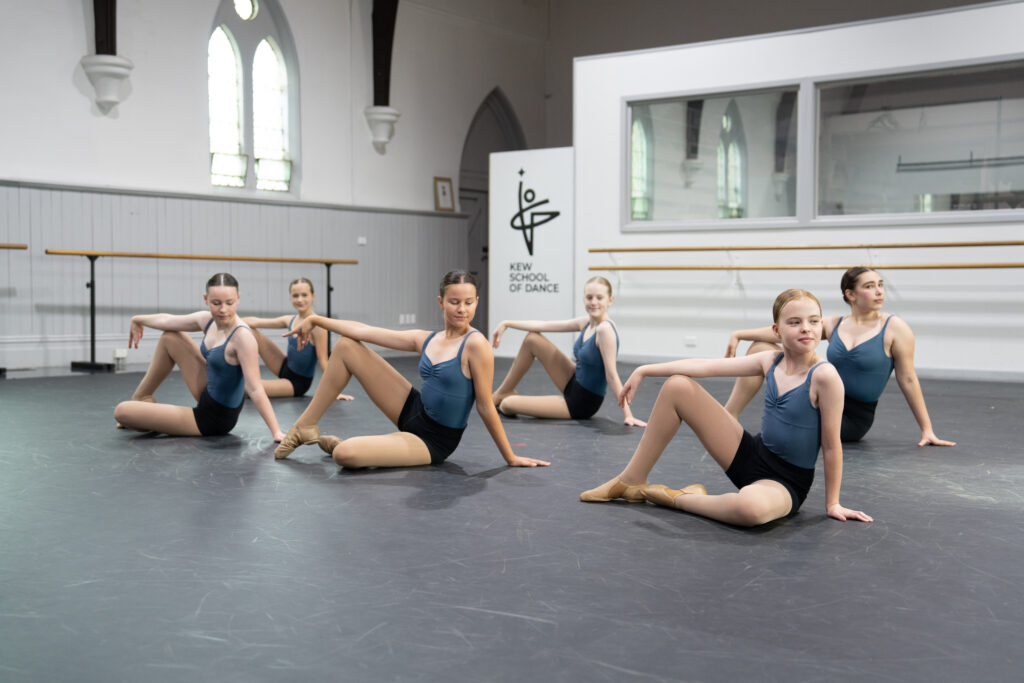
Ballet is often admired for its graceful movements and beautiful performances, but behind every step is a strong foundation of physical development. For children and adults alike, ballet offers many benefits that extend beyond dance technique. Two of the most important skills developed through ballet training are flexibility and coordination, both of which support healthy movement and overall wellbeing.
In Kew, many families choose ballet lessons because they provide a structured and enjoyable way for children to stay active while learning valuable life skills. Through regular practice and guided instruction, dancers gradually improve how their bodies move, balance, and respond to different movements. These skills can support success not only in dance but also in everyday activities and sports.
Understanding Flexibility in Ballet
Flexibility is the ability of muscles and joints to move through a comfortable range of motion. In ballet, flexibility helps dancers perform movements with greater ease, control, and fluidity. However, flexibility in ballet is not about forcing the body into difficult positions. Instead, it is developed gradually and safely over time. Young dancers often begin with simple stretches and exercises that gently improve mobility. As they continue training, their bodies adapt naturally, allowing them to move more freely. Improved flexibility can also help reduce stiffness and support better posture during class.
Teachers carefully guide students through stretches that are suitable for their age and stage of development. This approach helps dancers improve safely while protecting growing muscles and joints.
How Ballet Helps Improve Flexibility Safely
Ballet classes include movements that encourage gentle stretching and controlled extension of the body. These exercises help dancers gradually build flexibility without placing unnecessary strain on their muscles. Regular ballet training supports flexibility by encouraging students to move through different positions and ranges of motion. Consistent practice often leads to steady improvement over time.
Some ways ballet supports flexibility include:
- Gentle warm ups before class activities
- Controlled stretching exercises
- Movements that lengthen muscles naturally
- Gradual progression suited to each dancer
This safe approach allows students to build flexibility while maintaining healthy movement habits.
What Coordination Means in Ballet Training
Coordination is the ability to move different parts of the body together smoothly and efficiently. Ballet requires dancers to use their arms, legs, feet, and head at the same time while keeping rhythm and balance.
Developing coordination takes practice, especially for young children who are still learning body awareness. Ballet classes help students understand how different movements work together, improving their ability to control and organise their actions. Strong coordination supports everyday activities such as running, climbing, writing, and playing sports. As children improve coordination through ballet, they often become more confident in many areas of life.
Building Coordination Through Repetition and Practice
Ballet lessons use repetition to help students learn movements and develop muscle memory. Practising steps regularly helps dancers perform movements more naturally and confidently over time. Teachers break down combinations into smaller parts so students can understand each movement clearly. This step-by-step approach helps dancers coordinate their bodies more effectively and feel successful during class.
Students often improve coordination through activities such as:
- Following movement sequences
- Moving in time with music
- Practising arm and leg combinations
- Learning travelling steps across the floor
With regular practice, these skills become more natural and support overall physical development.
The Connection Between Balance and Coordination
Balance and coordination work closely together in ballet. Dancers need balance to hold positions, complete turns, and move smoothly from one step to another. Ballet exercises help strengthen muscles that support stability and posture. As balance improves, dancers often find it easier to coordinate their movements and maintain control. Many ballet activities encourage students to become more aware of their body placement and movement. This awareness helps build confidence and supports safer movement during both dance and daily activities.
Supporting Healthy Physical Development
Ballet lessons provide a full-body form of exercise that supports physical development in growing children. The combination of movement, stretching, and strength-building activities helps students develop healthy movement patterns from a young age.
Regular ballet training can support:
- Better posture and alignment
- Improved balance and stability
- Greater body awareness
- Stronger muscles and joints
These benefits often extend beyond dance classes and support children’s overall health and wellbeing.
Developing Confidence Through Movement
As flexibility and coordination improve, students often feel more confident in their abilities. Successfully learning a new movement or completing a routine can create a strong sense of achievement. Confidence built through ballet often extends into other parts of life. Children may feel more willing to participate in school activities, try new experiences, or engage in sports and recreation. Learning that progress comes through practice also helps students develop patience and resilience, which are valuable life skills.
Why Consistency Matters in Ballet Training
Improving flexibility and coordination takes time. Consistent attendance and regular practice allow dancers to build skills gradually and safely. Short, regular sessions are often more effective than occasional long periods of training. Each class builds upon previous lessons, helping students strengthen their abilities step by step. Parents can support their child’s progress by encouraging regular attendance and celebrating effort rather than focusing only on results.
The Role of Teachers in Safe Development
Qualified ballet teachers play an important role in supporting flexibility and coordination. They guide students through age-appropriate exercises and monitor technique to ensure safe movement.
At Kew School of Dance, teachers understand that every student develops differently. Some children may progress quickly, while others need more time. Individual growth is respected, and students are encouraged to learn at their own pace. This supportive approach helps create a positive learning environment where dancers feel comfortable and motivated.
Conclusion
Ballet lessons in Kew provide a wonderful opportunity for children to improve flexibility, coordination, balance, and body awareness in a safe and structured environment. Through regular practice and expert guidance, students develop physical skills that support both dance training and everyday life.
Kew School of Dance is committed to helping students build strong foundations while enjoying the journey of learning ballet. Our classes encourage safe development, confidence, and a lifelong love of dance. To learn more about our ballet programs or enrol your child, contact us at 03 9123 8458 or 0410 311 008. We look forward to welcoming your family to our dance community.