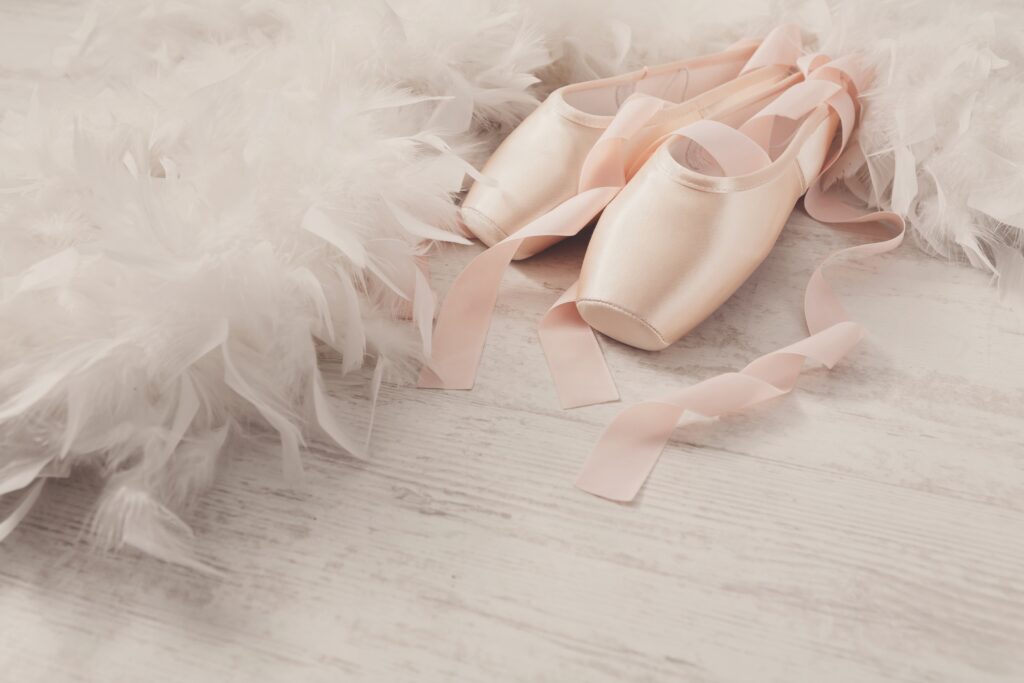
Starting ballet classes in Kew is an exciting experience for children and adults alike. Along with learning new steps and movements, dancers also need the correct clothing and footwear to support their training. Choosing the right ballet shoes and attire helps students move comfortably, safely, and confidently during class.
For many families in Kew, selecting dancewear for the first time can feel overwhelming. There are different styles, sizes, and materials to consider, especially for beginners. Understanding the basics of ballet attire can make the process easier and help students feel prepared for their lessons from day one.
Why Proper Ballet Attire Matters
Ballet attire is more than simply following a dress code. The correct clothing allows teachers to see posture, alignment, and movement clearly. This helps instructors provide accurate feedback and ensure dancers are using safe technique. Well-fitted dancewear also allows students to move freely without distraction. Clothing that is too loose may make it difficult for teachers to observe technique, while clothing that is too tight may restrict movement and cause discomfort.
Wearing ballet attire also creates a sense of routine and professionalism. When students put on their dancewear, they often feel mentally prepared for class and ready to learn. This can help young dancers develop good habits and a positive attitude towards training. In many dance schools, uniforms also create a sense of belonging. Students feel part of the class and learn the importance of consistency and presentation in dance.
Choosing the Right Ballet Shoes
Ballet shoes are one of the most important items a dancer will use. Properly fitted shoes support movement, balance, and comfort during class. Shoes that fit poorly may affect technique and make dancing less enjoyable. When selecting ballet shoes, comfort and fit should always come first. Ballet shoes should feel snug but not tight. There should be enough room for the toes to lie flat without slipping inside the shoe.
There are several factors to consider when choosing ballet shoes:
- Material: Ballet shoes are commonly made from canvas or leather. Canvas shoes are lightweight and flexible, while leather shoes are often more durable for younger dancers.
- Sole Type: Full sole shoes are often recommended for beginners because they provide extra support. Split sole shoes are commonly used by more experienced dancers.
- Elastic Straps: Elastic helps keep shoes secure and prevents slipping during movement.
- Correct Sizing: Dance shoe sizing may differ from regular shoe sizes, so professional fitting is often helpful.
Teachers may recommend specific styles based on a student’s age and class level. Following these recommendations helps ensure students have the most suitable footwear for training.
Understanding Ballet Uniform Requirements
Many ballet schools have specific uniform requirements to maintain consistency in class. Uniforms allow teachers to see body alignment clearly and help create a focused learning environment.
For young dancers, uniforms are often simple and practical. Leotards, tights, and ballet shoes are common items used in class. Older students may have different colours or styles depending on their level.
Uniform requirements may vary between schools, but they often include:
- A fitted leotard
- Ballet tights
- Ballet shoes
- Hair secured neatly away from the face
- Optional wrap skirts if permitted by the teacher
Following the dress code helps students feel prepared and supports a professional learning environment.
The Importance of Proper Hair Styling
Hair may seem like a small detail, but it plays an important role in ballet training. Hair that falls into the face can distract dancers and make it difficult to focus during class. For many ballet classes, hair is worn in a bun or another secure style that keeps it neat and tidy. This allows teachers to observe head placement and posture more clearly.
Neat hair presentation also teaches students responsibility and preparation. Taking time to prepare for class helps children develop routines and understand the importance of being ready to learn. Parents often find that preparing hair becomes easier with practice, and many children enjoy feeling dressed and ready for dance.
Dressing Comfortably for Adult Ballet Classes
Adult ballet students may have slightly different attire requirements depending on the class. Comfort is especially important for adults who are new to ballet or returning after many years away from dance. Many adult dancers choose fitted activewear or traditional ballet attire. Clothing should allow movement while still enabling teachers to observe posture and alignment.
Adults should choose attire that makes them feel comfortable and confident. Feeling comfortable in class often helps new dancers relax and enjoy the learning process. Regardless of age, the goal of ballet attire is to support movement, safety, and effective learning.
Looking After Ballet Shoes and Dancewear
Proper care helps ballet shoes and clothing last longer and remain comfortable to wear. Dancewear that is cleaned and stored correctly stays in better condition and supports good hygiene.
Students can care for their dance items by:
- Airing out ballet shoes after class
- Washing dancewear according to care instructions
- Storing shoes and clothing in a dance bag
- Replacing worn or damaged items when needed
Teaching children to care for their dance belongings also helps build responsibility and independence. Looking after dancewear ensures students always arrive prepared and comfortable for class.
Avoiding Common Mistakes When Buying Dancewear
Families who are new to ballet sometimes purchase items based on appearance rather than function. While dancewear can be beautiful, comfort and fit should always come first. Common mistakes include buying shoes that are too large to allow for growth or choosing clothing that is too loose. Oversized items can affect technique and make movement more difficult.
Before purchasing dancewear, it can be helpful to check the school’s requirements and seek advice from teachers if needed. This helps avoid unnecessary purchases and ensures students have the correct items from the beginning.
Feeling Confident and Prepared for Ballet Class
Having the right ballet shoes and attire helps students feel ready to learn and participate confidently. When dancers are comfortable in their clothing and footwear, they can focus fully on their training and enjoy the experience.
For young dancers especially, wearing the correct uniform can make ballet feel exciting and special. It marks the beginning of their dance journey and helps them feel part of the class community. Feeling prepared often leads to greater confidence, allowing students to focus on learning new skills and building friendships in class.
Conclusion
Choosing the right ballet shoes and attire for lessons in Kew helps students move comfortably, safely, and confidently. Proper dancewear supports technique, posture, and learning while helping dancers feel prepared for every class.
Kew School of Dance is happy to guide families and students in selecting the appropriate attire for their classes. Our goal is to create a welcoming environment where every dancer feels comfortable and ready to learn. To learn more about our ballet programs or enrol in a class, contact us at 03 9123 8458 or 0410 311 008. We look forward to supporting your dance journey.